Tips for Creating a Relaxing Home Garden Space
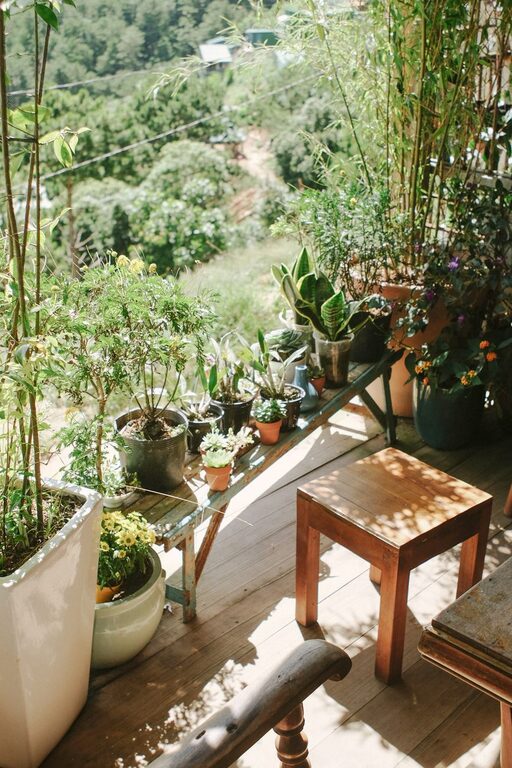
Creating a relaxing home garden space is a wonderful way to enjoy the outdoors, reduce stress, and add beauty to your property. Whether you have a large garden or a small patio, thoughtful planning and simple touches can turn your outdoor area into a peaceful retreat. In this post, we’ll explore practical tips to help you design a calm and inviting garden space that suits your lifestyle and preferences.
Why Create a Relaxing Garden Space?
Before diving into the tips, it’s worth considering the benefits of having a relaxing garden. Gardens connect us with nature, improve air quality, and provide a quiet spot to read, meditate, or spend quality time with family. Having a designated peaceful area in your garden can enhance your overall wellbeing and make your home feel more welcoming.
Planning Your Garden Sanctuary
Assess Your Space and Needs
Start by evaluating the size and shape of your garden. Note sunny and shady spots, existing plants, paths, and seating areas. Consider what you want from the space: Do you want a place to relax, entertain guests, or grow herbs and flowers? Having clear goals will guide your design choices.
Choose a Theme or Style
A cohesive style helps create a calming atmosphere. Some popular garden styles for relaxation include:
– Natural and Wild: Emphasises native plants and natural shapes.
– Minimalist: Clean lines and simple planting to reduce visual clutter.
– Mediterranean: Warm colours, textured plants, and rustic furniture.
– Zen or Japanese: Tranquil elements like water features, rocks, and bamboo.
Selecting a style will influence your plant choices, furniture, and decorations.
Selecting Plants for a Peaceful Atmosphere
Opt for Soothing Colours and Fragrance
Soft green foliage is naturally calming, and plants with gentle pastel flowers such as lavender, hydrangeas, or foxgloves add serenity. Incorporating aromatic herbs and flowers like lavender, rosemary, and jasmine can enhance relaxation through scent.
Incorporate Textures and Layers
Mix plants with different leaf shapes and heights to create interest without overwhelming the senses. Grasses, ferns, and climbing plants can add soft textures and gentle movement in the breeze.
Choose Low-Maintenance Plants
Relaxing means low fuss. Select hardy, drought-tolerant plants suited to your climate and soil to reduce upkeep. Perennials and shrubs that do not need constant attention will make your garden more enjoyable.
Creating Comfortable Seating Areas
Pick the Right Furniture
Comfortable seating is vital. Chairs with cushions, hammocks, benches, or even a garden swing provide inviting spots to unwind. Materials such as wood, wicker, or metal can all work well depending on your chosen garden style.
Consider Placement and Shade
Arrange seating where you can enjoy your favourite views and feel sheltered. Position furniture under trees, pergolas, or umbrellas to protect from sun and rain, making the space usable in different weather.
Add Textiles and Accessories
Soft cushions, throws, and outdoor rugs make seating areas cosy and welcoming. Choose weather-resistant fabrics in calming colours or subtle patterns.
Incorporating Water Features and Lighting
Water Features for Tranquillity
The sound of flowing water is naturally soothing. Small fountains, birdbaths, or ponds introduce gentle noise and attract wildlife. Even a simple water bowl with floating flowers can add charm.
Lighting for Relaxed Evenings
Soft, warm lighting extends garden enjoyment into the evening. Use solar-powered lanterns, string lights, or spotlights to highlight plants and paths. Avoid harsh or bright lights that disrupt the peaceful mood.
Adding Personal Touches
Use Decorative Items Thoughtfully
Wind chimes, sculptures, or garden art can personalise your space and create points of interest. Choose pieces that reflect your taste and complement your garden style.
Create Quiet Zones
If your garden is large enough, designate smaller areas for solitude or meditation. A secluded nook with a comfortable chair or a hammock surrounded by plants can become your private retreat.
Maintain Clutter-Free Spaces
Keep garden tools, pots, and other equipment stored away neatly. An organised garden contributes to a relaxed atmosphere, free from distractions.
Practical Maintenance Tips
Regular, Gentle Care
Tidy your garden regularly but avoid over-pruning. Leaving some wildflower areas or ivy encourages wildlife and adds natural charm.
Seasonal Changes
Plan for interest throughout the year by including plants that bloom in different seasons or have attractive berries and foliage in autumn and winter.
Keep Paths Clear and Safe
Easy, clear paths prevent trips and help you enjoy every corner of your garden without worry.
Final Thoughts
Designing a relaxing home garden space is a rewarding project that boosts your quality of life. By focusing on comfort, natural beauty, and thoughtful details, your garden can become a peaceful haven for rest and enjoyment. Remember to tailor your approach to suit your preferences and lifestyle, making your outdoor space truly your own.
Take your time, experiment with ideas, and enjoy the process of creating your personal garden sanctuary. With patience and care, your garden will soon become your favourite place to relax and recharge.