How to Create a Cosy and Productive Home Office Space
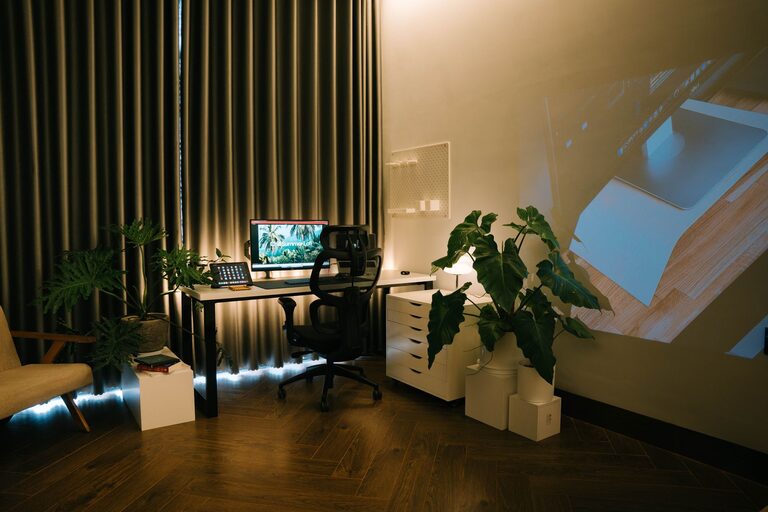
Creating a home office that is both cosy and productive can greatly enhance your work experience, especially if you spend many hours working remotely. A well-designed workspace helps maintain focus, reduce stress, and boost creativity. Whether you have a dedicated room or a small nook, the right setup can make all the difference. Here are practical tips to help you design a home office space that feels comfortable and promotes productivity.
Choose the Right Location
Prioritise Natural Light
Natural light is one of the most effective ways to improve mood and alertness. Position your desk near a window if possible. This not only provides daylight but also allows you to enjoy outdoor views, which can be refreshing during breaks.
Minimise Distractions
Pick a quiet spot away from high-traffic areas of your home. This reduces interruptions and helps you stay focused throughout the day. If you share your space with others, consider using room dividers or noise-cancelling headphones to create a more secluded environment.
Invest in Comfortable Furniture
Select an Ergonomic Chair
A comfortable chair is essential for long workdays. Choose one that offers good back support, adjustable height, and armrests. This helps prevent posture problems and reduces fatigue.
Get a Suitable Desk
Opt for a desk that fits your needs and available space. Consider adjustable desks that allow you to alternate between sitting and standing. Ensure the surface is large enough to hold your computer, paperwork, and other essentials.
Organise Your Workspace Efficiently
Declutter Regularly
A tidy workspace helps reduce distractions and promotes a clear mind. Use drawers, shelves, and organisers to keep items out of sight but within easy reach.
Use Clever Storage Solutions
Invest in storage boxes, filing cabinets, or wall-mounted shelves to keep paperwork and office supplies orderly. Label containers to save time searching for items.
Arrange Frequently Used Items Nearby
Keep essential tools, like your phone, notepad, or pen, within arm’s reach to maintain workflow without interruptions.
Create a Pleasant Atmosphere
Choose Calming Colours
Soft, neutral tones such as pale blues, greens, or greys create a relaxing atmosphere. If you prefer bright colours, use them as accents rather than main shades to avoid overstimulation.
Add Personal Touches
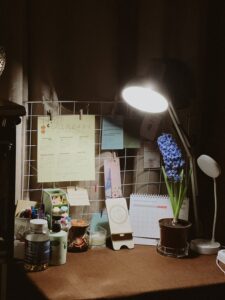
Incorporate elements that inspire you, such as photographs, artwork, or plants. These make your office feel more inviting and can improve your mood.
Consider Lighting Options
In addition to natural light, have a good desk lamp with adjustable brightness. Warm light bulbs help create a cosy ambience, while cooler lights can aid concentration.
Improve Air Quality and Comfort
Ensure Proper Ventilation
Good airflow is crucial for comfort and alertness. Open windows regularly or use fans to circulate fresh air.
Include Plants
Plants not only add colour but can improve air quality. Choose low-maintenance varieties like snake plants or pothos.
Control Temperature
Maintain a comfortable temperature to avoid distractions from being too hot or cold. Use heaters, fans, or blankets as needed.
Use Technology to Your Advantage
Invest in Quality Equipment
Reliable technology reduces frustration. Use a good computer, keyboard, mouse, and headset suitable for your tasks.
Keep Cables Organised
Use cable management tools like clips or zip ties to avoid messy cords, which can be distracting and create hazards.
Utilise Productivity Apps
Software for task management, scheduling, and note-taking can help you stay organised and focused.
Establish Boundaries and Routines
Set Clear Working Hours
Define your work time to maintain a healthy work-life balance. Communicate these hours with family members to minimise interruptions.
Take Regular Breaks
Schedule short breaks to stretch, hydrate, or rest your eyes. This can enhance productivity and prevent burnout.
Create a Start and End Ritual
Develop simple routines to signal the beginning and end of your workday, such as making a cup of tea or tidying your desk.
Final Thoughts
Designing a home office that combines comfort and productivity doesn’t require a large budget or space. With thoughtful planning and attention to detail, you can create a space that supports your work goals while feeling warm and welcoming. Remember, the best workspace is one that fits your unique needs and helps you work at your best.